Good enough was never enough: Teaching myself design, one layer at a time

Over the past six years, I have designed hundreds of NBA 2K concept cards, blending photo editing, animation, and design as part of my creative process.
I first started making these NBA 2K concept cards — images designed for the popular basketball simulation video game — on the drive home from my uncle's cabin. It was a seven-hour ride, and I wanted to try my hand at something new.
I thought it would be fun to flex my creative muscle, so I started out simply: pulling basic player cutouts from 2KMTCentral, a forum for NBA 2K players, and layering them onto premade templates.
Over the next year or two, I taught myself how to use Adobe Photoshop, leaning heavily on camera raw filters. As the years went on, I taught myself how to build my own templates and use special effects like glows, light leaks, and texture overlays — mostly through trial and error and online tutorials.
Six years on, my process now begins with a visual concept already in mind. Sometimes I'm inspired by the course of a player's career, sometimes by their personality.

Take the card I made for Isaiah Thomas, whose career began with a high peak but ended early due to injuries.
At the time I created his card, he was trying to make an NBA return, but his relatively smaller stature worked against him in a league and his career came to an end. As I sat with his story, a theme came to me — "Horizon," built around the feeling of a sunset. His career didn't end the way anyone hoped, but it was still beautiful, and the adversity he faced gave the piece its texture and colour.
My mind correlates sunsets with warm oranges and bright yellows, so I searched for textures and real photos on Google Images that I thought might fit.
Once I find images that match the theme's colour composition — and that I can already picture working alongside the other elements in the template — I place them onto the background and start moving the layers around, adjusting blending styles like overlay and soft light, and tweaking opacity until everything blends together.
When I’m satisfied with the background, I pull up the player image and set it beside a professional design for reference, making sure the effects feel consistent with real NBA 2K graphics. From there, I make sure the special effects on the player work with the background colours and lighting. If the concept calls for it, I add animation through CapCut, another skill I taught myself through tutorials.
Over time, I became more and more of a perfectionist with my cards — some took five-plus hours to finish, like this one. Designing these cards taught me a lot about myself: how I don't stop until something is perfect, even when it's already good enough, and how much attention to detail matters in honing any craft. I use these lessons every day, whether I'm finishing a school project, practising a sport, or working on other hobbies.
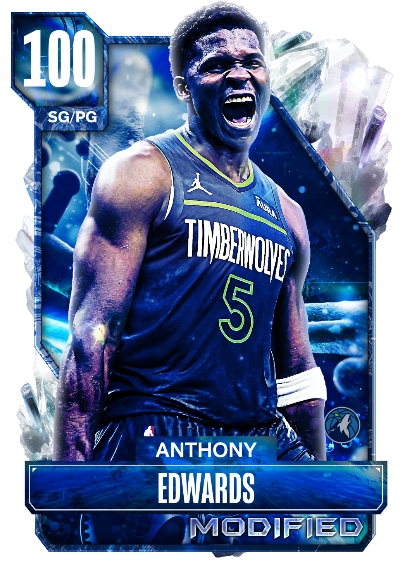
My favourite card I've ever made is my Anthony Edwards "Modified" card. Anthony Edwards is an NBA player known for his explosive playing style. I called it "Modified" because at the time he was playing at what felt like a superhuman level.
This card felt like a real step forward for me — from simply blending random textures together to marrying them in a way that was structured and intentional. As I keep honing this skill, I hope to bring the same eye for detail and design to illustrating complex information, whether in my schoolwork or in advocacy work as well.
Here is a portfolio of some of my other favourite designs:


Good evening Ara. I really enjoyed this article! Do you like having music on in the background while you work on your designs? Stay out of trouble!
Hi Ara. I loved this article! When spending five-plus hours tweaking light leaks and textures, how do you catch yourself before perfectionism turns into over-editing? Stay safe!